

Ok, we’ve been doing a lot of stuff and splitting blogs into two helps keep the ipad operational. We like to upload a lot of photos and sometimes too many photos equates to ipad crashing… Yeterday we went to Moray and the Salineras Salt Mines (started by Inca). These are all local activities in/around Urabamba so it was a good local day. We ended the day eating dinner in a great place (Kampu) that serves pizzas at night, but also he makes great local curries. We all had a great meal – which we ranked in one of our top 10 meals on our entire trip so far. Read More
Llama Treking (the easy way) and visiting Pisac Ruins

Do You Llama?
Llama Trek with Llama Pack in Urabumba
So after several months of travellig we finally were able to complete one of Cindy’s wishes for the trip – Llama walking/treking. We were introduced to an organization called Llama Pack in Urabamba. This organization is focused on re-introducing the llama as a pack animal in Peru. Many llamas have cross bred with Alpaca’s, and are not as strong and good for packing as they used to be. The llama is “eco friendly” since they do not rip the roots of plants out they cut with their teeth. They also have padded feet that keeps a light touch on the ground and doesn’t cause as much damage as a hoof.
Machu Picchu: Trains, Busses and Llamas
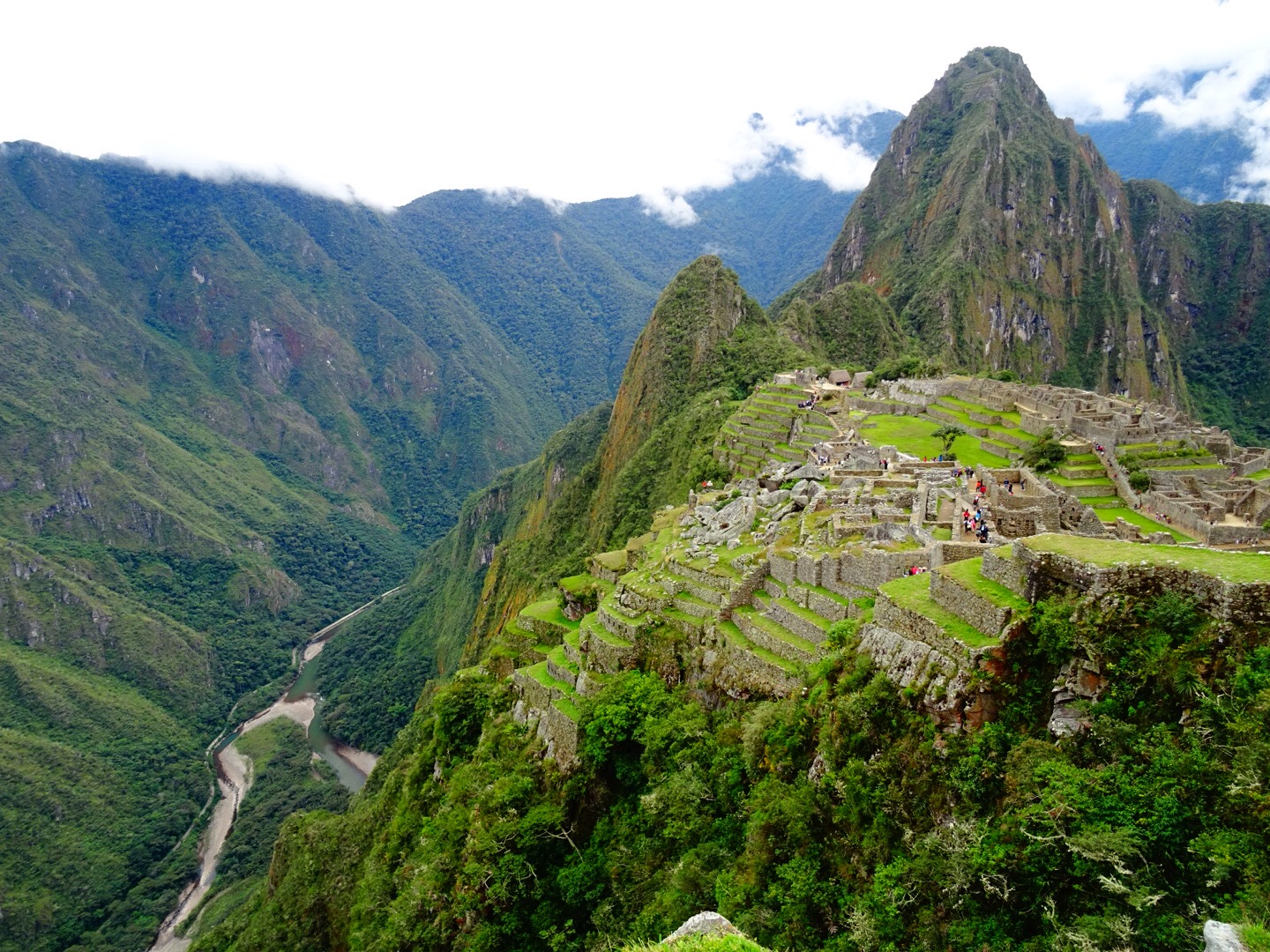
Machu Picchu from the backside in the morning.
Well we did it, made our way through the sacred valley to Aguas Calientes and then up to Machu Picchu. This is an amaing place that was built over a period of 60 years by the Inca. 800 of the most influential people lived here, and it was abandoned in 1534 when the Spanish conquered Cusco (the capital). When leaving the city the Inca destroyed the only two paths into M.P. and as such left the city to be consumed by the jungle again. The city was “hidden” for over 300 years until its rediscovery in 1900. An American, Hiram Bingham, came in 1911 and explored the area and found Machu Picchu as well. He was sponsored in National Geographic’s first exploration the following year and returned. He then proceeded to remove about 6,000 collectable items, which are now at Yale University. Why Yale continues to hold on to these Peruvian artifacts I have no idea. It would seem that they would be better served in Peru.
Cuzco, finally.

mmmmm, tasty
Lake Titicaca, Travelling Puno to Cusco

At the summit, crossing from Puno to Cusco. Amazing Views.
So we spent the last couple of days in Puno near the Peru/Bolivia Border and Lake Titicaca – one of the largest lakes in the world – at 13,000 feet. Yesterday we took a boat expedition to a floating people that live on islands that they make of reeds, as well as an island where we had lunch and bought some local wares. Today we drove from Puno to Cusco (7 hours) and we are now in the Inca Capital.
Colca Canyon: Yanque, Chivay, Andean Condors and being a tourist again
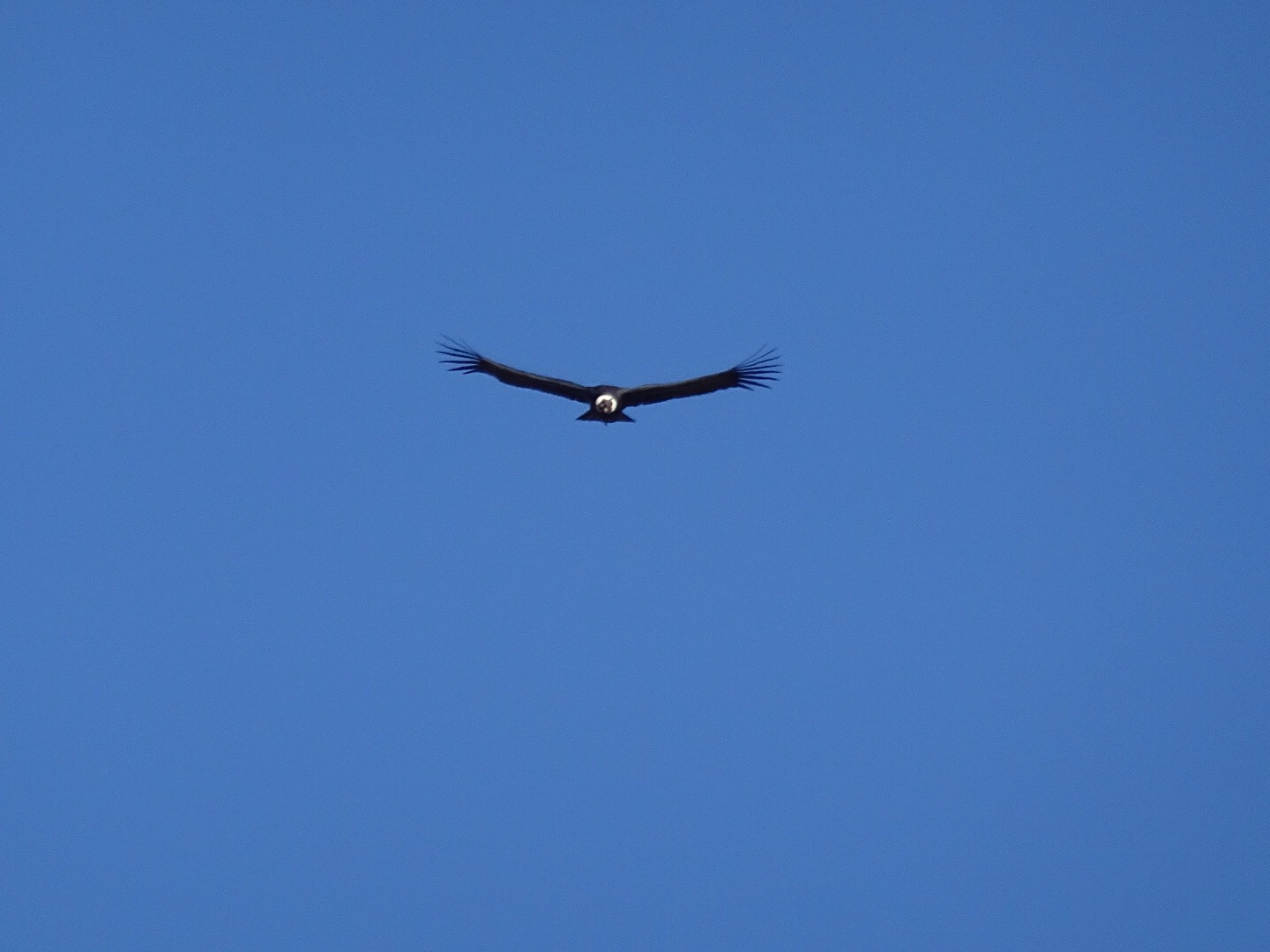
Andean Condor in flight.
So we made the trek from Arequipa to the Colca Canyon (Yanque) without much trouble. The car sure doesn’t like passes at 15,000 feet – but we pushed through. The Colca Canyon is a huge place where Inca used to farm, and locals still do on terraces all the way down. On different terraces they grow different things due to the weather changes at different levels. We spent the day driving the canyon, as well as seeing Andean Condors in the morning. We stopped at several of the tourist spots to play tourists as well. The Alpaca are everwhere here. What’s amazing is while you are driving you’ll come across Alpaca, Burro’s, and sheep crossing the road, or grazing in the open spaces that you are driving through. I haven’t seen an actual fence in days – the animals can roam free. Read More
Iquehue, Arica, Arequipa Peru (made it, but protests here)

This will be a shorter blog post as we spent nearly 12 hours in the car today getting to Arequipa, where we were met with burning tires, boulders strewn in the roads, and people blocking all traffic. Overall we are fine, although I don’t think I’ve ever been in the center or near this type of activity before. Our hotel is safe as well as the car- so we might bunker here until Sunday then head up/out to lake Titicaca. Read More
San Pedro de Atacama, Crossing at 15,700, Salt Flats, Valley de la Luna

Walking in Valley De La Luna – San Pedro de Atacama
So we’ve spent about four days in San Pedro de Atacama at 8,000 feet doing some pretty amazing things in the great outdoor desert. The Atacama desert is one of the driest places on earth and has 10% humidity, making it great of star gazing, as well as having nearly nothing grow. I was sort of shocked a bit when we arrived into the town as it was bustling with tourists, tour operators, travel vans, etc. We have been off the tourist path for awhile, staying in very small towns with hardly any of the tourism features that you find here. It was a good place to experience some new things and we had a pretty good time. On the down side, our hotel (if you can call it that) basically had open windows in our room – no big deal expect that it gets really cold at night and our room would be an ice box in the morning when we woke up. I guess you take the bad with the good.
Tilcara and Pumamarca. Life at 8500 feet
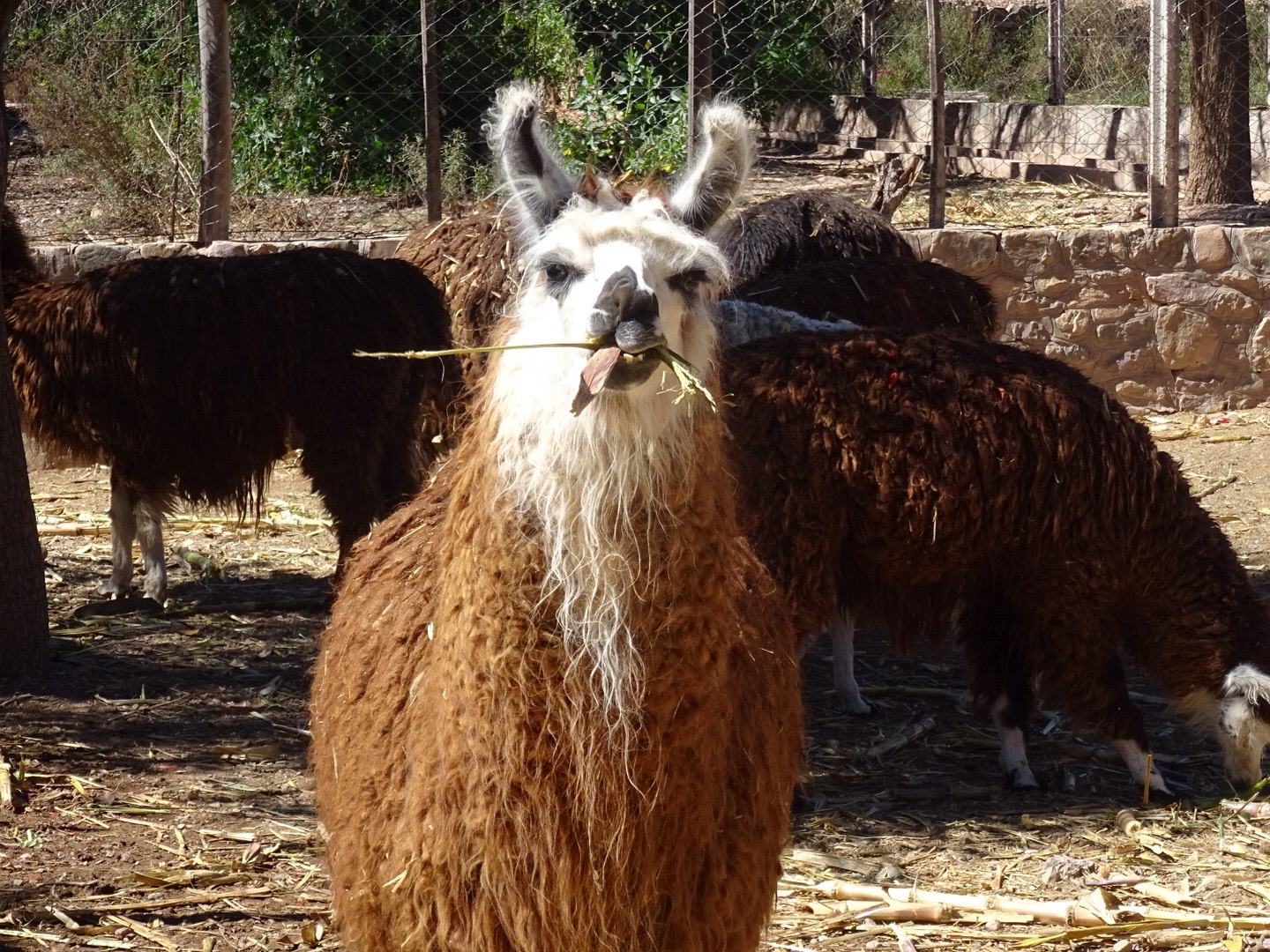
Mr Llama “nothing to see here, move along…”
High Altitude Driving, Crazy Roads: Salta, Cafayate, Cachi RN40 Argentina
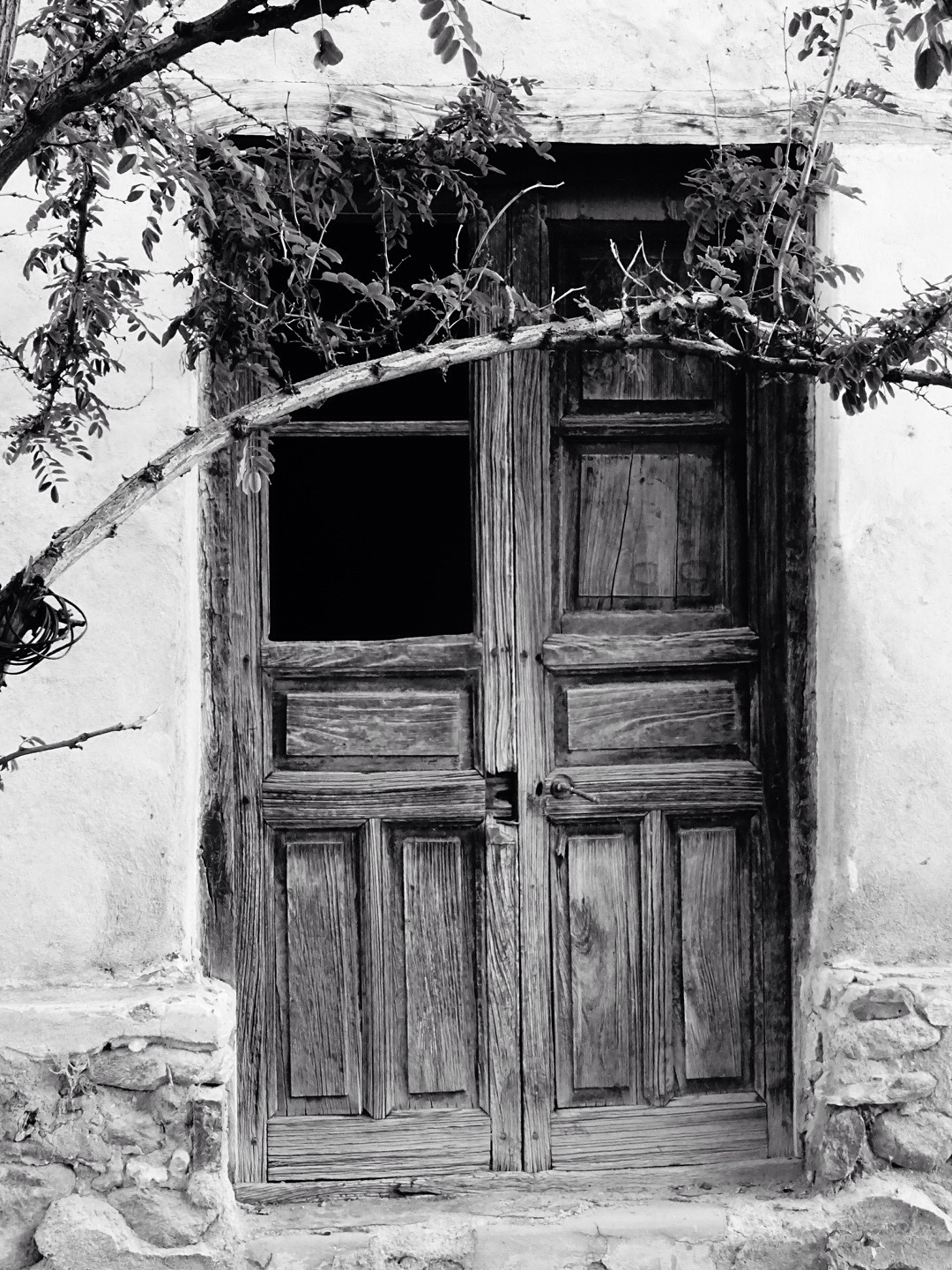
a great door in Cafayate, had to go retro
Well its been a busy week or so, mostly without internet access. We have been around the Salta region checking out the less travelled tourist path – mostly which turned out really nice. We stayed for a couple of days in Cafayate in a very small Hostal that Cindy found. Basically I think we were staying in the back of these peoples house. We always evaluate a place by the bathroom, this one combined the shower with toilet and sink – so I guess you could take a shower, bush your teeth and goto the can all at the same time. Add little to no warm/hot water to the mix and you get the picture. But for $50/night for all four of us it was a deal. Cafayate is a very small place, kids playing soccer in the street, people riding bikes and horses into town. It’s also the start of Argentine wineries so there were lots of bodega’s along the road and various wine shops available. They even had wine flavored ice creams. Read More
 Traveling Outlaws